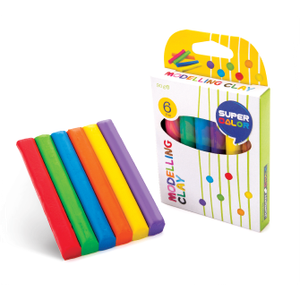
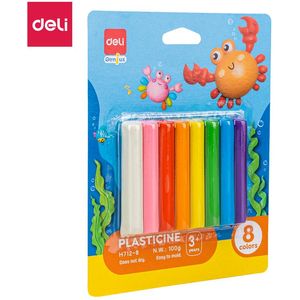
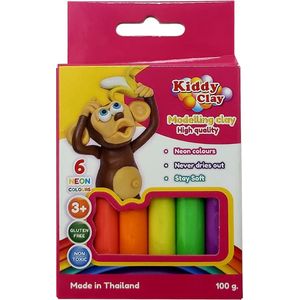
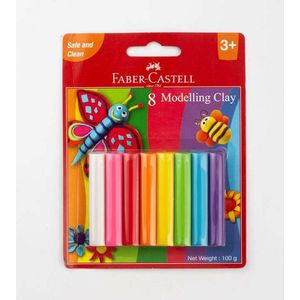
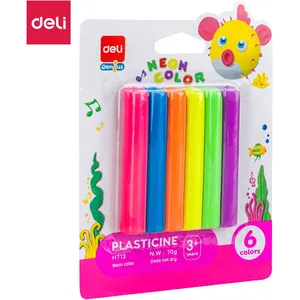
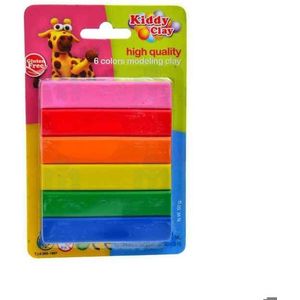
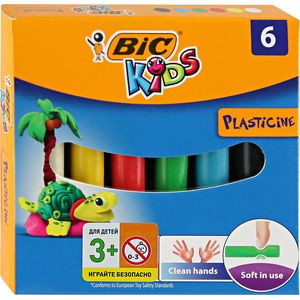
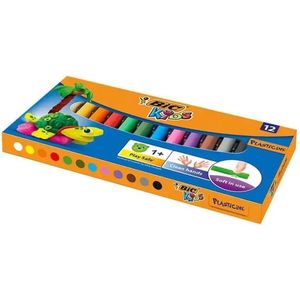
What is the difference between classic modeling clay sticks and those for electronic modeling?
Classic modeling clay sticks are primarily used for crafts and fine motor skill development. Modeling clay designed for electronic modeling is often finer, easier to work with for precise details on components or models, and may be more resistant to certain temperatures or humidity, although it is not a conductive material.
Can I use modeling clay sticks for electronic prototyping projects?
Modeling clay sticks are generally not suitable for electronic prototyping as they are not conductive and do not possess the mechanical or thermal properties required for reliable connections or adequate circuit protection. They can be used for visual mock-ups of your projects, but not for the functional components themselves.
What brands of modeling clay sticks are available on your site?
We offer a selection of brands known for their quality and safety, including [Brand Name 1], [Brand Name 2], and [Brand Name 3], to meet various needs and budgets.
How should I store my modeling clay sticks to prevent them from drying out?
It is essential to close the packaging tightly after each use. For optimal storage, keep the modeling clay in a cool, dry place, away from direct sunlight. If it starts to dry out slightly, you can try kneading it with a few drops of water to soften it.
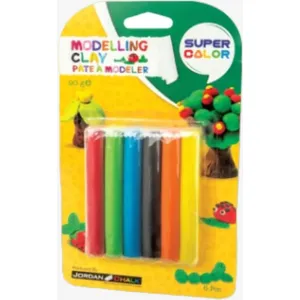
Is modeling clay suitable for children, and what age is recommended?
Yes, our selection includes modeling clay specifically designed for children, often gluten-free and non-toxic. Age recommendations vary by product, but most are suitable for children from 3 years old with supervision. Always check the packaging instructions.
How do I clean up modeling clay stick residue?
Modeling clay residue can generally be removed with a damp cloth or sponge. For tougher surfaces, a little mild soap can be used. Avoid using harsh solvents that could damage electronic materials or surfaces where the clay might have been used for mock-ups.