Reading your notebook three times feels like work, but little of it sticks. What makes the difference is forcing yourself to recall the answer without looking, and coming back to the lesson over several days. Here is a simple method that works from middle school to the baccalaureate, and the supplies that go with it.
Test yourself instead of rereading
Hide the lesson and try to recite it, redo the exercise or answer a question written in advance: it is more tiring than rereading, and that is exactly why it works. Each time you pull something back from memory on your own, it holds better. Whatever you cannot recall shows you exactly what to work on.
Flashcards: a question on one side, the answer on the other
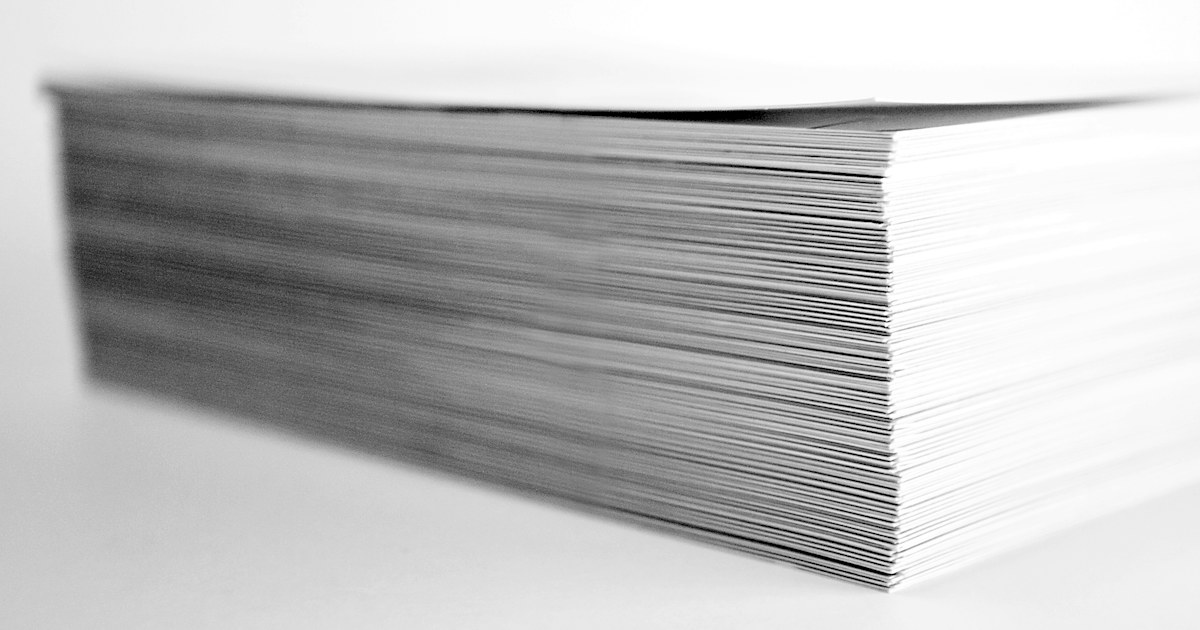
Bristol index cards are made for this. Write a question, a date, a formula to complete or a vocabulary word on the front, and the answer on the back. A few rules:
- One idea per card. A crowded card turns back into a page of notes.
- Write the cards yourself. Rephrasing the lesson is already part of revising.
- Sort them into two piles: the ones you know and the ones you miss. Come back to the second pile more often.
Punched cards go into a binder, small ones fit in a pocket for the bus or the wait before class.
Space out your reviews
Reviewing a lesson the next day, then three days later, then a week later works far better than the same time crammed into the night before the test. A simple calendar is enough: write the date of each review in a diary or on a wall planner. Missed cards come back sooner, known ones less often.
A small colour code
Highlighting the whole page means highlighting nothing. Three colours are enough, always with the same meaning: for example yellow for definitions, green for formulas and dates, pink for mistakes not to repeat. Chisel-tip highlighters draw a thin or broad line depending on the angle. Sticky notes mark the pages to review without damaging the textbook.
Work in short sessions
Twenty-five minutes of work, five minutes of break, and a longer break every four sessions: that is the Pomodoro method, and it mostly helps you get started. During a session, the phone stays in another room. Four short, focused sessions beat a whole afternoon half distracted.
Redo exercises and past papers
In maths, physics or accounting, a lesson is revised mainly by redoing exercises without the solution in view. Before the baccalaureate, past papers done under time pressure show your real level and get you used to the length of the exam. Keep drafts and corrections in a display folder per subject.
Explain it to someone
Explaining a lesson to a classmate, a sibling or out loud in front of a blank sheet quickly shows the gaps. Where the explanation stalls is the part to go back to.
Supplies, without overdoing it
- A pack of index cards per term and per main subject.
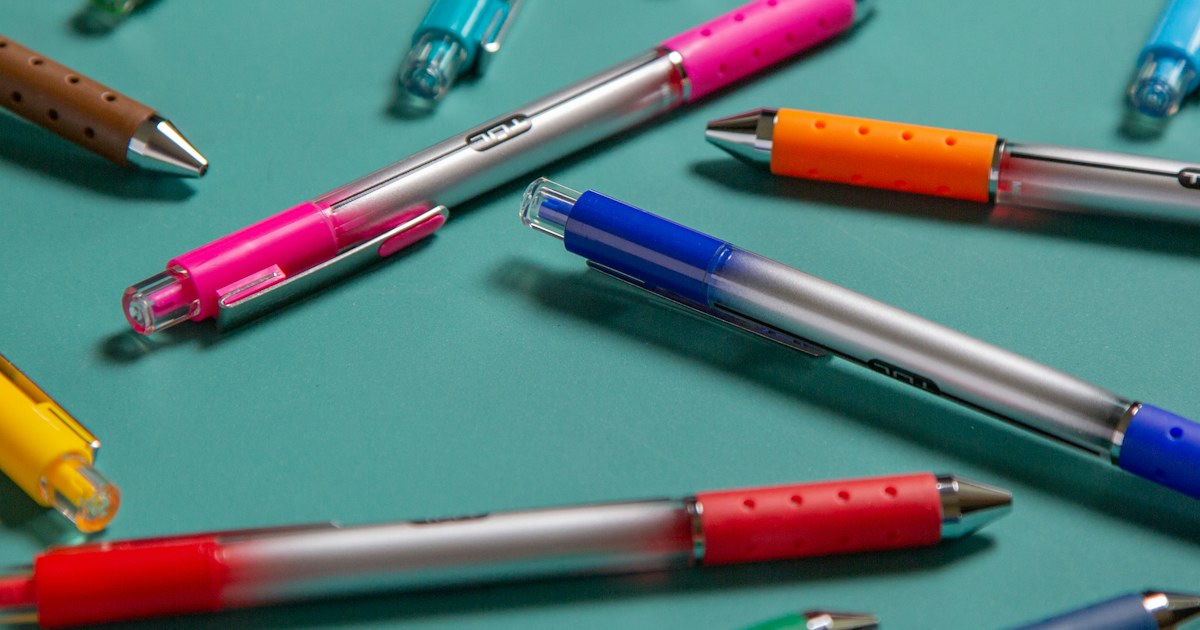
- Two or three highlighters, a pen that is comfortable for long writing (the guide ballpoint, gel or rollerball helps choose) and something red for corrections.
- Loose sheets for drafts and mock exams.
- A diary or calendar to plan the reviews.
The night before the exam
The night before, read your cards one last time without learning new lessons, and get the pencil case and calculator ready. A full night’s sleep helps more than another evening over the notebook: sleep is when memory sorts what you learned.