A two-year-old and an eight-year-old pupil do not colour with the same tool. The hand, the pressure and the time spent on a page all change, and the supplies should follow. This guide covers colour pencils, felt-tip pens, oil pastels, gouache and watercolour, with what to read on the label and what school lists ask for most often.
Under 3: a thick body and little breakage
First scribbles are done with a closed fist. A thin pencil slips, snaps and ends up on the floor. Baby colour crayons rely on thick shapes that fill the whole hand. Along the same lines, Yalong makes dinosaur-shaped wax crayons, which their product page describes as non-toxic.
At this age a child colours with an adult beside them. Check that no small part comes off (cap, tip) and put the box out of reach when the session is over.
Ages 3 to 6: jumbo, wax and plastic
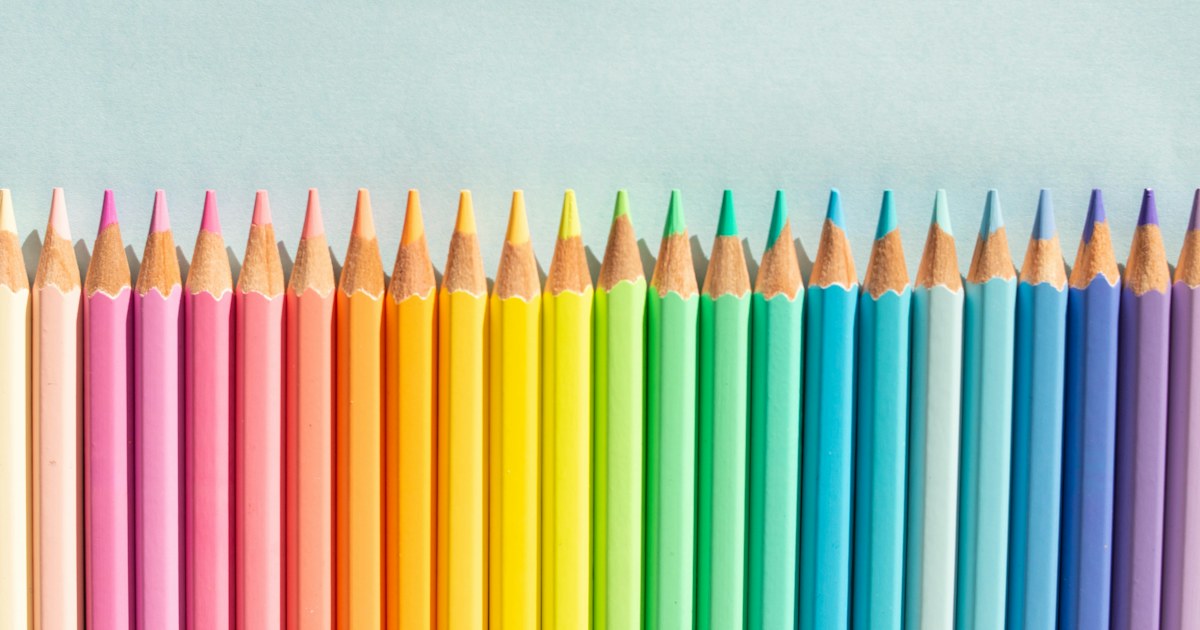
In kindergarten a child learns to hold the pencil between three fingers. Jumbo colour pencils have a thicker lead and body than a standard pencil. The triangular shape, found on DOMS Mega Triangle, Accord Selfie and Deli Color Kids, puts the fingers in the right place and stops the pencil rolling off the table.
Wax and plastic crayons contain no wood. They survive drops better and need sharpening less often. The BIC Kids Plastidecor Triangle is 12 mm across and 90 mm long. BIC describes it as a wax and plastic blend that does not stain hands or clothes.
Wax or plastic, the difference shows on paper. Wax gives a rich, covering line, but it squashes if the child presses hard and can mark the fingers. Plastic is harder and cleaner, with slightly less dense colour. Faber-Castell also sells a box of 14 erasable plastic crayons, handy for children who colour over the lines.
From 6: long or mini pencils
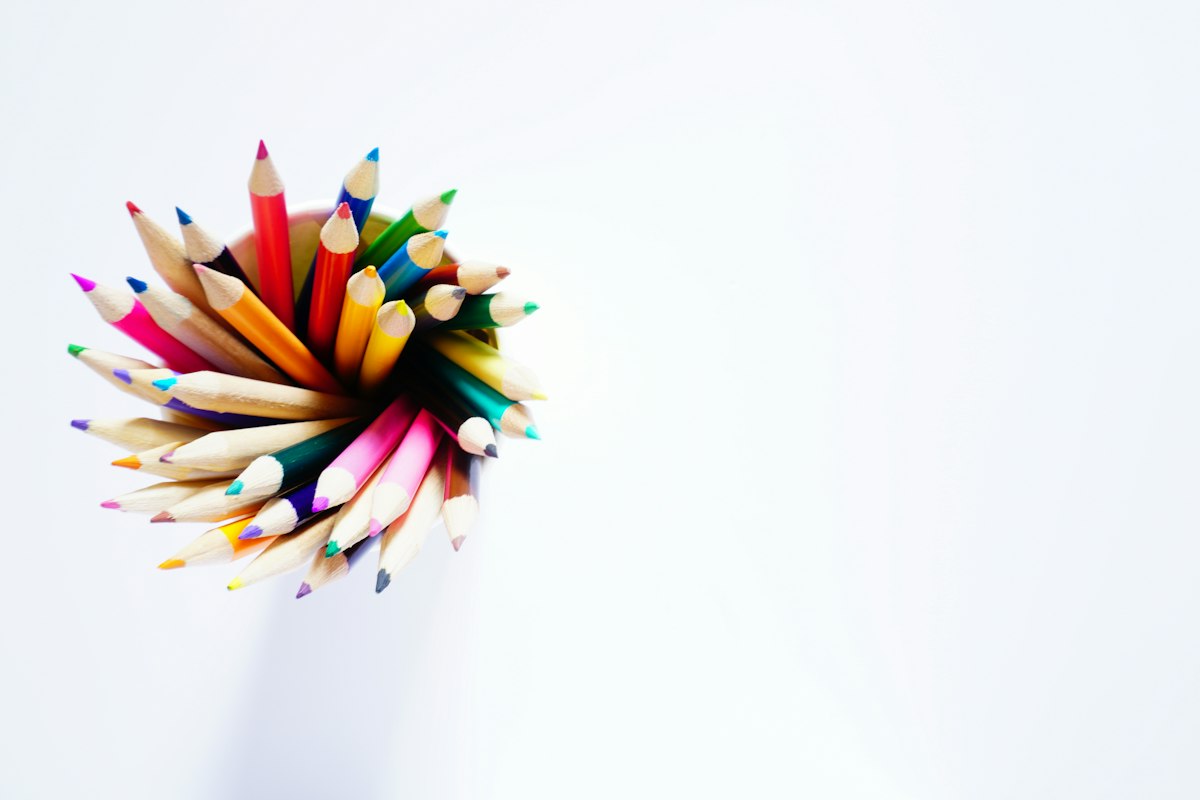
In the first year of primary school, pupils colour smaller areas and follow outlines. Long colour pencils are the standard size: they take many sharpenings and last the year. The Carioca Tita Triangular has a 3 mm synthetic resin lead, sold as drop-resistant. BIC Kids Evolution Stripes are made without wood.
Mini colour pencils are about half the length of a long one. They fit a flat pencil case and weigh less in the school bag. On the other hand, they shorten fast and become hard to hold after a few sharpenings. They work for outings or travel, less well as the main pencils for the year.
On the box, look at the number of colours (12 is the size most lists ask for) and whether a sharpener is included. A jumbo pencil needs a sharpener with a wide hole, a standard one will not take it.
Felt-tip pens: washable, tip and cap
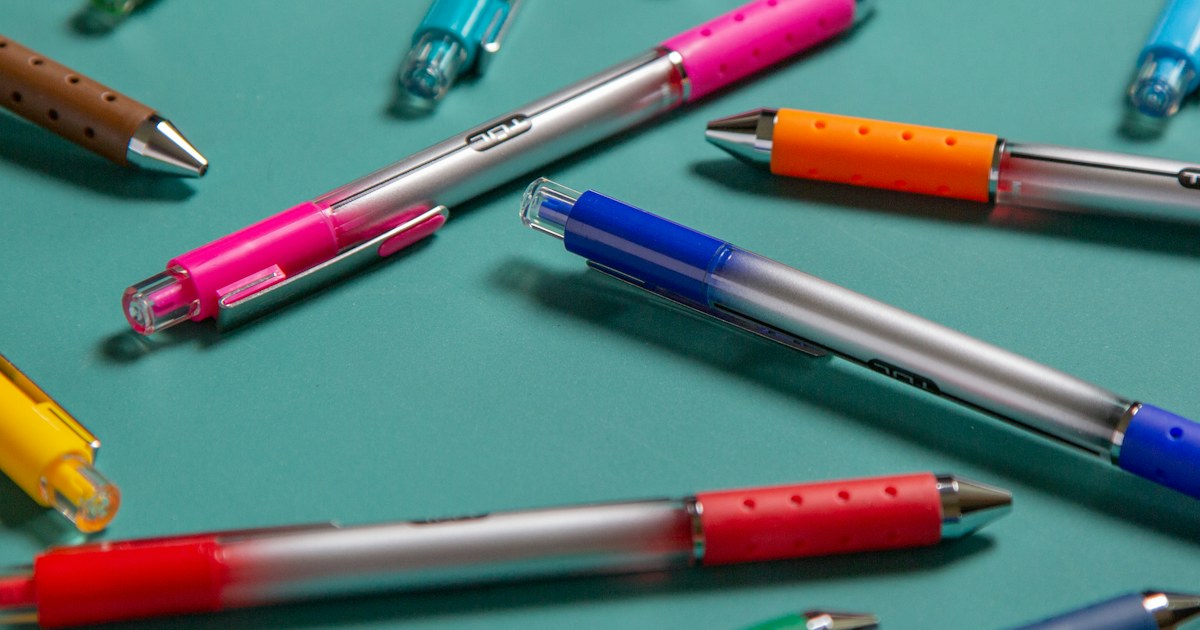
Felt-tips colour fast and with bold colours, which children enjoy from kindergarten on. The downside is stains. In the colouring felt-tip pens range, three things can be read on the pack.
- Washable: the ink is water-based. Carioca Joy felt-tips are listed as ultra washable, water-based and dermatologically tested.
- The tip: a medium tip fills areas, a fine tip handles details. The Carioca Joy has a 2.8 mm tip, the Carioca Birello has two, 2.6 and 4.7 mm.
- The vented cap: it has a hole that lets air through. Carioca and Faber-Castell mention it on their product pages.

A frequent mistake is buying fabric markers for school. Milan fabric markers become permanent once ironed. They are for decorating a T-shirt, not colouring a notebook. Also, a felt-tip left uncapped dries out, so teach the child to put the cap back on.
Oil pastels: for large areas of colour
Oil pastels are creamy and heavily pigmented. They cover a large sheet quickly and can be layered and blended with a finger. Faber-Castell’s 12-piece boxes are described as acid-free and suited to mixed techniques.
The finished drawing stays greasy and marks fingers. Use thick drawing paper rather than a notebook page, and store drawings flat between two sheets.

Gouache or watercolour
Both thin with water, but they do not give the same result.
| Criterion | Gouache | Watercolour |
|---|---|---|
| Look | Opaque, covers the paper and the colour underneath | Transparent, the paper shows through |
| Formats | Tubes, liquid pots from 125 ml to 1 L, cakes | Dry cakes in a box |
| Preparation | Ready to use, barely thinned | Wet brush passed over the cake |
| Paper | Thick drawing paper | Thick paper, thin paper buckles |
| Common mistake | Layer too thick, cracks as it dries | Too much water, washed-out colours |
| Age | From kindergarten, with a big brush | Mostly primary school, it needs more control |
Gouache is the school paint. In liquid pots, such as Lefranc Bourgeois Redimix or Primo in 500 ml and 1 L, it is poured into a palette, a practical size for a class or several children. In tubes, the MSchool set of 5 primary colours is a good way to learn mixing. The 8-colour Lefranc Bourgeois cakes have a lid that doubles as a palette.
Watercolour comes in boxes of dry cakes. Deli Color Emotion boxes of 12 or 21 colours have 28 mm cakes and a wooden brush. The cake dissolves under a wet brush, no palette needed.
Read the name carefully: on several boxes, water paint means watercolour cakes, not gouache. Acrylic paint, such as Deli Color Emotion acrylic, goes on fabric, wood or stone. Once dry, it no longer comes off with water.
What school lists ask for
Back-to-school lists vary by school and grade, but some items come up often:
- a box of 12 colour pencils, jumbo in kindergarten, long in primary school
- a pack of 12 washable felt-tips
- wax crayons in the first two years of kindergarten
- gouache in tubes or pots, with two or three brushes of different sizes
- an apron or an old shirt, and sometimes a water cup
Stick to the format asked for. If the list says jumbo, long pencils will not suit the teacher, and the reverse. Brushes, palettes and water cups are in the paint and brushes section. Write the child’s name on every box, as art supplies often stay in the classroom.
Washability: what the label covers
Washable does not mean no mark anywhere. The claim usually covers skin and clothes washed quickly with soap and water. On a painted wall or a sofa, nothing is promised.
- Felt-tips: look for washable or water-based on the pack, otherwise assume the ink stains.
- Gouache: it rinses out with water, best to wash the fabric before it dries. The Primo, Artista and Milan gouache pages state that they clean up with water.
- Wax and plastic: no liquid ink, but wax can mark fabric if the child rubs hard.
- Oil pastels and acrylic: keep them away from clothes, they are not washable.
Our advice
- Under 3: thick-bodied crayons or chunky wax crayons, in short sessions with an adult.
- Kindergarten: triangular jumbo pencils with their sharpener, wax and plastic crayons, washable medium-tip felt-tips, gouache in pots.
- Primary school: 12 long pencils, fine-tip felt-tips for details, gouache in tubes for mixing and a first watercolour box.
- Outing or travel pencil case: mini pencils.
- Large drawings on thick paper: oil pastels.